
Đăng ký tư vấn & nhận tài liệu
Hãy để lại thông tin của bạn để nhận tài liệu miễn phí và tư vấn lộ trình học tối ưu từ chuyên gia.

Cấu trúc đề thi tiếng anh C1 gồm 4 phần: Nghe, Nói, Đọc, Viết với tổng thời gian thi là: 135 – 140 phút.
- Phần 1: Kỹ năng Nghe gồm 3 phần nhỏ với 35 câu hỏi (40 phút).
- Phần 2: Kỹ năng Nói gồm 3 phần nhỏ với khoảng 5-6 câu hỏi (12 phút).
- Phần 3: Kỹ năng Đọc gồm 4 phần nhỏ với 30 câu hỏi (60 phút).
- Phần 4: Kỹ năng Viết gồm 2 phần nhỏ với 2 câu hỏi (60 phút) .
Điểm đạt: 8,5-10.
Cấu trúc đề thi VSTEP C1 gồm 4 phần thi: nghe , nói, đọc, viết. Mỗi phần thi được chia thành các phần nhỏ với nhiều câu hỏi. Cụ thể như sau.
Thông tin chi tiết từng phần thi như sau.
| Kỹ năng thi | Phần thi | Thời lượng | Nội dung câu hỏi | Thang điểm |
| Reading | Phần 1 | 60 phút | Thí sinh đọc 4 bài đọc với tổng số lượng khoảng 2000 từ và làm các câu hỏi trắc nghiệm. | 0-25 |
| Phần 2 | ||||
| Phần 3 | ||||
| Writing | Phần 1 | 15 phút | Viết thư hoặc email nội dung yêu cầu thường là thư cho bạn bè, thư xin lỗi, thư cảm ơn… | 0-25 |
| Phần 2 | 45 phút | Viết bài luận về chủ đề cho sẵn, thông thường yêu cầu nêu về cảm nhận của bản thân, phương án khắc phục vấn đề nào đó | ||
| Speaking | Phần 1 | 3 phút | Trả lời câu hỏi của giám khảo nội dung giới thiệu bản thân | 0-25 |
| Phần 2 | 4 phút | Lựa chọn phương án và nêu lý do chọn | ||
| Phần 3 | 5 phút | Trả lời câu hỏi mở rộng của giám khảo về phương án đã chọn ở phần 2 | ||
| Listening | Phần 1 | 40 phút | Thí sinh nghe 3 bài độc thoại hoặc hội thoại và làm các câu hỏi trắc nghiệm dạng đúng sai và điền từ vào chỗ trống. | 0-25 |
| Phần 2 | ||||
| Phần 3 |
Đề thi tiếng anh C1 thường sử dụng 14 chủ đề xung quanh cuộc sống hàng ngày.
| STT | Chủ đề | Nội dung thi |
| 1 | Economic development | Thí sinh sẽ phải trả lời những câu hỏi về kinh tế, tài chính. Để trả lời thí sinh cần bổ sung thật nhiều từ vựng và cập nhật tình hình kinh tế tài chính mới nhất |
| 2 | Education | Nội dung thi sẽ yêu cầu thí sinh trả lời những câu hỏi về học tập. VD: Khó khăn và thuận lợi khi học ngoại ngữ? Trường học như thế nào được xem là hoàn hảo?…. |
| 3 | Environment | Chủ đề môi trường thường được sử dụng trong đề thi nói. Giám khảo sẽ yêu cầu thí sinh nêu lên những vấn đề về môi trường sống, phương pháp để giải quyết… |
| 4 | Fashion | Thí sinh sẽ được nghe đoạn hội thoại miêu tả về người nào đó? Trang phục họ mặc… Sau đó trả lời các câu hỏi dưới dạng trắc nghiệm. |
| 5 | Food | Thí sinh sẽ được yêu cầu viết về đặc sản ở một số địa phương? Món ăn bạn yêu thích? Ý nghĩa của một món ăn đại diện cho quốc gia… |
| 6 | Health and welfare | Câu hỏi phổ biến nhất đó là thí sinh hãy nêu lợi ích của việc tập thể dục đối với sức khỏe? Bệnh tim mạch cần ăn uống thế nào?… |
| 7 | Hobbies and entertainment | Nội dung câu hỏi thường yêu cầu thí sinh kể về sở thích? Công việc thí sinh thường làm khi rảnh rỗi…. |
| 8 | Holidays | Thí sinh sẽ được yêu cầu mô tả về kỳ nghỉ, chuyến đi chơi gần nhất…hoặc bài đọc mô tả về chuyến đi chơi của ai đó |
| 9 | Home and family | Chủ đề gia đình thường xuất hiện tại cả 4 chủ đề. Nội dung câu hỏi thường yêu cầu thí sinh xác định, mô tả…chọn đáp án đúng. |
| 10 | Houses | Chủ đề nhà ở cũng được sử dụng tại hầu hết cả 4 kỹ năng thi. Nội dung câu hỏi thường là nhận xét về ngôi nhà, nhận dạng, miêu tả…. |
| 11 | Learning a foreign language | Chủ đề học ngoại ngữ thường sử dụng nhiều trong bài thi nói và viết. Nội dung câu hỏi thường yêu cầu thí sinh nêu những khó khăn, thuận lợi và phương pháp để học tốt ngoại ngữ. |
| 12 | Social problems | Chủ đề vấn đề xã hội thường dùng trong đề thi nói và viết. Chủ đề này thường là những câu hỏi về các vấn đề nổi cộm về thời sự, xã hội, kinh tế…thí sinh sẽ phải đưa ra ý kiến cá nhân về những vấn đề này. |
| 13 | Sport and games | Chủ đề thể thao thường xuất hiện trong đề thi đọc và nói. Thí sinh sẽ được xem những hình ảnh về môn thể thao, trò chơi…đọc câu hỏi và trả lời. |
| 14 | Transport | Chủ đề di chuyển thường xuất hiện trong bài thi nghe, đọc, viết. Nội dung câu hỏi thường là về các loại phương tiện giao thông hàng ngày… |
VD:
The National University of Hanoi is proud to announce that it comprises a total of 12 constituent colleges and schools. We offer a diverse range of academic programs and educational opportunities across these 12 colleges and schools to cater to the needs of our students and the broader academic community.
Question: How many constituent colleges and schools does The National University of Hanoi have?
A.5
B.8
C.10
D.12
Cách làm: Với câu hỏi này các thí sinh hãy đọc lướt qua nội dung và note lại những ý chính. Tiếp theo hãy dịch câu hỏi để biết yêu cầu: Trường Đại học Quốc gia Hà Nội có bao nhiêu khoa và trường trực thuộc? Trong đoạn thông báo ghi rõ là có 12 khoa và trường. Như vậy đáp án đúng là D.
VD:
Alice: Hi John, how’s work going at the new company?
John: It’s been a good experience so far, thanks for asking. I’ve been working as a software engineer, and the team is quite friendly.
Alice: That’s great to hear! What kind of projects are you working on?
John: Right now, I’m part of a project that focuses on developing a mobile app for a client. It’s challenging but exciting.
Alice: Sounds interesting. How do you handle the workload and deadlines?
John: Well, it can be demanding at times, but I’ve learned to manage my time efficiently. Plus, the company provides good support and resources.
Question: What is John’s current job role at the new company?
A. Software engineer
B. Project manager
C. Sales representative
D. Financial analyst
Cách làm: Dịch đoạn hội thoại: John nói rằng anh đang làm việc như một kỹ sư phần mềm (software engineer). Alice hỏi về công việc hiện tại của John và anh ấy mô tả công việc của mình làm phần mềm. Điều này cho thấy rõ ràng rằng công việc của John tại công ty mới là một software engineer, chính là đáp án A.
VD:
Vietnamese history is a fascinating subject with many important events and figures. One of the pivotal periods in Vietnamese history is the resistance against foreign invasion. Let’s explore an important historical event in that struggle.
Question:The Battle of Dien Bien Phu in 1954 was a significant event in Vietnamese history. Which phase of Vietnam’s resistance did this battle mark the end of?
A. Resistance against the Mongols
B. Resistance against the Chinese
C. Resistance against the French
D. Resistance against the United States
Cách làm: Câu hỏi trắc nghiệm yêu cầu người học xác định giai đoạn cuối cùng của kháng chiến trong lịch sử Việt Nam mà Trận Điện Biên Phủ năm 1954 đã đánh dấu. Câu hỏi này ngoài kiến thức tiếng anh còn yêu cầu những kiến thức về lịch sử và xã hội, đáp án đúng cho câu hỏi này là C. Resistance against the French.
Trong phần này thí sinh sẽ đọc 4 đoạn văn khác nhau, mỗi đoạn có 10 câu hỏi. Các câu hỏi được sắp xếp theo thứ tự từ 1 đến 40 và phải chọn câu trả lời A, B, C hoặc D đúng nhất cho mỗi câu hỏi. Đáp án sẽ dựa trên cơ sở những gì được nêu hoặc ngụ ý trong đoạn văn đó.
VD:
In Hanoi City, renting a studio apartment can be a practical choice for many residents and newcomers to the city. Studio apartments are typically known for their affordability and compact design, making them an attractive option for students, young professionals, and those seeking a more modest and cost-effective living arrangement.
On average, the monthly rental cost for a studio apartment in Hanoi City falls in the range of approximately $500 to $1,100, depending on factors such as location, size, and amenities. It’s essential to note that while you can find some studios for around $500, others, particularly in prime and central areas, may go beyond $1,000. The specific price can also vary from one district to another, with the city’s Old Quarter, Hoan Kiem District, and Tay Ho District generally having higher rents compared to other areas.
The affordability of studio apartments in Hanoi is often attributed to their limited space and basic amenities. These apartments are usually smaller in size, consisting of a single room that serves as a living area, bedroom, and kitchen, along with a separate bathroom. While the compact size may be seen as a drawback for some, it’s a selling point for others who appreciate the simplicity and lower maintenance costs.
Furthermore, the rental market in Hanoi is dynamic and can be influenced by various factors, including economic conditions and seasonal demand. As a result, rental prices may fluctuate throughout the year, so it’s a good idea for tenants to keep an eye on market trends and consider negotiating rental terms with landlords.
In conclusion, for those considering renting a studio apartment in Hanoi City, it’s advisable to do thorough research on the current rental market, identify your preferred location, and determine the amenities that matter most to you. While the cost may vary, studio apartments generally provide an economical housing option for individuals looking for convenience and a city-centered lifestyle without breaking the bank.
Question: What is the average monthly rental cost for a studio apartment in Hanoi City, according to the passage?
A. Less than $500
B. About $800
C. More than $1,200
D. Approximately $500 to $1,100
Cách làm: Trong đoạn văn, được nêu rõ rằng giá thuê trung bình mỗi tháng cho một căn hộ ở Hà Nội rơi vào khoảng từ khoảng $500 đến $1,100, phụ thuộc vào nhiều yếu tố như vị trí, kích thước và tiện ích. Lựa chọn D phản ánh đúng mức giá trung bình mà đoạn văn đã cung cấp.
Ở trình độ C1 ngoài những câu hỏi về bản thân như tên, tuổi, địa chỉ…thí sinh sẽ phải trả lời những câu hỏi có độ khó cao hơn, đòi hỏi thí sinh phải có kiến thức về xã hội và tự nhiên. Để trả lời các câu hỏi này thí sinh cần có một sự kết hợp giữa kiến thức và kinh nghiệm trong lĩnh vực chuyên môn của họ, cùng với khả năng diễn đạt và suy luận tốt.
VD:
Mẫu trả lời: In my field, one of the main challenges is staying updated with rapidly evolving technology and keeping pace with industry trends.
Mẫu trả lời: I recently worked on a research project related to climate change and its impact on coastal ecosystems. It was a collaborative effort with scientists from different countries.
Mẫu trả lời: Artificial intelligence is poised to play a crucial role in various aspects of society, from healthcare to transportation, but it also raises ethical and privacy concerns.
Mẫu trả lời: To promote innovation, I encourage open discussions, brainstorming sessions, and a culture that values experimentation.
Mẫu trả lời: I once faced a complex technical issue in a project. I formed a cross-functional team, analyzed the problem, and implemented a solution after thorough research and testing.
Trong phần này giám khảo sẽ đưa ra câu hỏi với các phương án lựa chọn, thí sinh sẽ phải chọn một phương án và giải thích vì sao lại chọn phương án đó.
VD:
If you were a policy-maker in Vietnam and had to prioritize one of the following options – investing in digital infrastructure, developing clean and sustainable energy sources, or investing in education and training – to boost the country’s economic growth, which option would you choose, and what factors would influence your decision?
Cách làm: Nội dung câu hỏi trên rất khó hỏi về vấn đề phát triển kinh tế. Để trả lời câu hỏi này hãy sử dụng những từ vựng, cụm từ, cấu trúc ngữ pháp và kiến thức liên quan đến kinh tế, phát triển, và công nghệ. Dưới đây là một số ví dụ cụ thể:
Từ vựng và cụm từ:
Cấu trúc ngữ pháp:
Từ những gợi ý trên hãy xây dựng bài trả lời có nội dung như sau:
To answer the question, I would prioritize investing in digital infrastructure as a means to boost Vietnam’s economic growth. Here’s a detailed analysis of the reasons for this choice:
Economic Transformation: Investing in digital infrastructure would enable Vietnam to accelerate its economic transformation into a knowledge-based and tech-driven economy. This is essential for keeping pace with global economic trends and staying competitive in the digital age.
Attracting Foreign Investment: A robust digital infrastructure would make Vietnam an attractive destination for foreign investors and multinational tech companies. This can lead to an influx of foreign direct investment (FDI) and the creation of high-tech jobs.
E-Government and Efficiency: Digital infrastructure supports the development of e-government, making public services more efficient and transparent. This can reduce bureaucracy and corruption, leading to an improved business environment and more foreign investment.
Digital Innovation and Entrepreneurship: A strong digital ecosystem fosters innovation and entrepreneurship. It enables local startups to flourish, creating innovative solutions and services. This, in turn, boosts economic growth.
Education and Skill Development: Digital infrastructure investments often come with opportunities for education and skill development in tech-related fields. This can help improve the quality of the workforce and increase employment in the digital sector.
Resilience and Adaptability: The COVID-19 pandemic has highlighted the importance of digital infrastructure for business continuity. It ensures that economic activities can continue even in times of crisis.
Sustainability: Investing in digital infrastructure can also contribute to sustainability by reducing the need for physical infrastructure and enabling remote work and digital services that can lower carbon emissions.
In conclusion, while all three options (digital infrastructure, clean energy, and education) are important for Vietnam’s long-term development, prioritizing digital infrastructure can provide a foundational structure that fosters economic growth, attracts investment, and prepares the country for a digital future. It is crucial to consider the interplay between these factors in making a comprehensive and strategic decision for the country’s economic development.
Phần này giám khảo sẽ đưa ra một quan điểm khác hoặc một câu hỏi có cùng chủ đề với phần 2. Thí sinh sẽ phải đưa ra những lập luận để bảo vệ ý kiến của mình là đúng.
VD:
In the context of global economic challenges and opportunities, what are the key factors that policymakers should consider when formulating strategies for sustainable economic development in a developing country? Provide examples and insights to support your response.
Cách làm: Câu hỏi này đề cập đến các khía cạnh khác nhau của phát triển kinh tế và những cân nhắc mà các nhà hoạch định chính sách nên tính đến, để thí trả lời đi sâu vào các lĩnh vực như cơ sở hạ tầng, giáo dục, đổi mới và xu hướng kinh tế toàn cầu.
Để trả lời câu hỏi thí sinh cần phải có những kiến thức chuyên môn về quá trình phát triển kinh tế bền vững, tầm quan trọng của hạ tầng, giáo dục, đổi mới, và xu hướng kinh tế toàn cầu trong phát triển kinh tế….
Thí sinh có thể sử dụng một số từ, cụm từ và những cấu trúc ngữ pháp sau cho bài trả lời.
Từ vựng và cụm từ:
Cấu trúc ngữ pháp:
Từ những gợi ý trên có thể xây dựng thành bài trả lời như sau:
Sustainable economic development in a developing country is a complex endeavor that demands a multifaceted approach. Policymakers must consider various key factors to
First and foremost, investment in infrastructure is pivotal. This includes not only physical infrastructure like roads, bridges, and utilities but also digital infrastructure. A well-connected and technologically advanced nation is better positioned to attract foreign direct investment (FDI) and drive economic growth. For instance, countries like Singapore and South Korea have demonstrated the benefits of strategic infrastructure investments in becoming economic powerhouses.
Furthermore, a robust educational system plays a vital role. Developing a highly skilled workforce through investments in education and vocational training is essential. The experiences of countries like Finland and Germany in creating a highly educated workforce that drives innovation and productivity are noteworthy.
In terms of innovation, fostering a culture of entrepreneurship and providing support for startups is crucial. Countries like Israel and the United States have succeeded in creating vibrant innovation ecosystems through incentives, incubators, and collaboration between academia and industry.
Considering **Global economics and global economic trends are equally important. Policymakers should stay updated with shifts in the global economy. For example, the impact of the COVID-19 pandemic
To achieve sustainability, countries should transition to clean and sustainable energy sources. This not only addresses environmental concerns but also reduces energy costs, fosters job creation
In conclusion, policymakers should consider a combination of factors, including infrastructure, education, innovation
VD:
You should spend about 20 minutes on this task.
You have received an email from your friend, Mark. In his email, Mark mentioned that his cousin, Sarah, is planning to visit your city and is in need of a place to stay. Mark has kindly asked if you could provide some information about Sarah, including her personality, hobbies, interests, and her current occupation or field of study. Mark would like to ensure that Sarah will be a good fit for your household during her visit
Cách làm: Để hoàn thành phần thi này với điểm số cao nhất hãy sử dụng cấu trúc email chuẩn như sau:
Từ những gợi ý trên có thể xây dựng thành một bài viết như sau.
Dear Mark,
I hope you’re doing well. I received your email about Sarah’s upcoming visit, and I’d be happy to provide some information about her.
Sarah is a wonderful and outgoing person. She’s very sociable and has a great sense of humor, so I’m sure she’ll fit in well with your family. She enjoys outdoor activities like hiking and biking, and she’s an avid reader. Her particular interest is history, and she often visits museums and historical sites when she travels.
Currently, Sarah is a diligent student who is pursuing her master’s degree in business administration. She’s dedicated to her studies and has a strong work ethic, and I believe her time in London will be a valuable experience for her academic and personal growth.
If you have any more questions or need additional details about Sarah’s stay, please feel free to ask. I’m looking forward to her visit, and I’m sure she’ll enjoy her time with your family.
Best regards,
[Tên của bạn]
VD:
You should spend about 40 minutes on this task.
Education is the cornerstone of personal and societal development. It equips individuals with knowledge, skills, and opportunities to thrive in the modern world. Whether one pursues higher education in fields like science, business, or the arts, the journey of learning is a lifelong endeavor. Education not only imparts academic knowledge but also fosters critical thinking, problem-solving, and adaptability. It empowers individuals to make informed decisions, contribute to their communities, and drive progress in various industries. As we navigate an ever-changing landscape, the value of education remains paramount in shaping a brighter future for individuals and society as a whole.
I hope you find this paragraph relevant to the topic of education. If you have a specific aspect of education you’d like to focus on or if you have any other requests, please feel free to let me know.
Question: Based on the provided paragraph about education, please write an essay discussing the significance of education in personal development and its role in shaping society. Highlight the key aspects of education that empower individuals and contribute to progress. How do you believe education impacts not only an individual’s life but also the broader community and the world at large?
Cách làm: Để hoàn thành bài này với thành tích tốt nhất bài viết biểu đạt sự hiểu biết về vai trò của giáo dục trong phát triển cá nhân và xã hội, cùng với nhận thức về tầm quan trọng của giáo dục trong việc tạo dựng tương lai tươi sáng cho cá nhân và xã hội.
Thí sinhcó thể sử dụng các cấu trúc ngữ pháp như It is the bridge that connects, Education nurtures, Education equips us, và It fosters để thể hiện mối quan hệ và tầm quan trọng của giáo dục.
Cùng với đó có thể sử dụng những từ vựng sau trong bài luận của mình:
Từ những gợi ý trên có thể xây dựng thành bài luận có nội dung như sau.
Education serves as the bedrock of personal and societal development, wielding immense significance in shaping the future of individuals and communities alike. It is the catalyst for a host of vital qualities and competencies, transcending the mere transfer of information to instill a holistic development in individuals.
At the individual level, education is far more than a repository of facts and figures; it is a conduit to intellectual growth. Through education, individuals acquire the tools to sharpen their critical thinking, problem-solving, and creative abilities. It unlocks the potential within each person, fostering their capacity to adapt and excel in an ever-evolving world. By cultivating a sense of curiosity and a thirst for knowledge, education nurtures minds, allowing them to flourish.
Zooming out to the societal level, education plays a central role in molding responsible and informed citizens. It equips them with the knowledge to engage actively in their communities and promotes the values of social responsibility and contribution. In this context, education is an investment in the collective future. It cultivates individuals who are not only aware of the challenges facing their society but also eager to be part of the solution.
Education is also a catalyst for addressing complex societal challenges and fostering innovation. It empowers individuals to think globally while acting locally, ensuring that they can understand and respond to the pressing issues of the world. By instilling empathy, tolerance, and understanding, education bridges divides within diverse communities, creating a foundation for harmony and cooperation. Moreover, education underpins economic growth and stability by nurturing a skilled workforce and fostering a culture of lifelong learning, vital for navigating a rapidly changing economic landscape.
In conclusion, the value of education is immeasurable, both for personal development and societal progress. It is the force that propels individuals towards their potential while simultaneously contributing to a more informed, engaged, and harmonious society. As we invest in education, we invest in a brighter, more prosperous future for all.

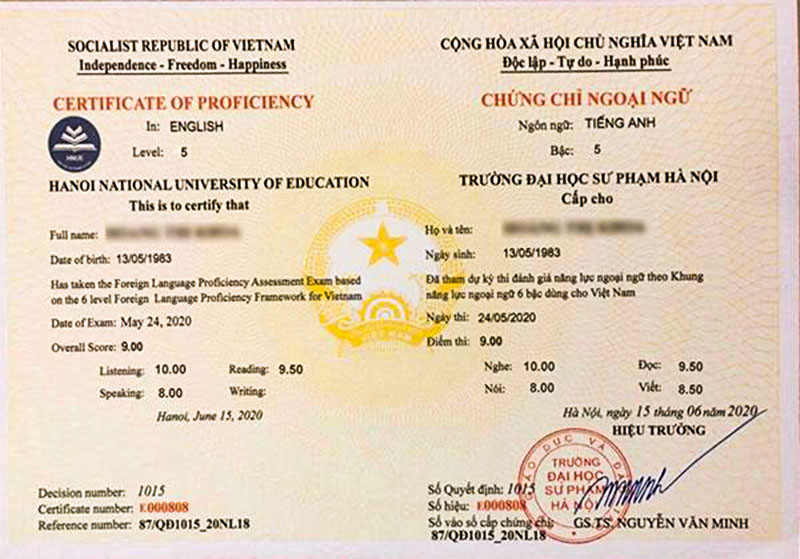
Kỳ thi chứng chỉ C1 VSTEP hay còn gọi là VSTEP 3-5 ( tiếng anh dành cho người lớn) sẽ sử dụng một đề thi chung, thông qua điểm số đạt được sẽ đánh giá thí sinh đạt trình độ nào trong 3 trình độ B1, B2, C1.
Đề thi C1 tính điểm theo thang điểm 10 áp dụng cho 4 kỹ năng và làm tròn đến 0.5. Tổng điểm trung bình của 4 kỹ năng sau khi làm tròn, sẽ được dùng để quy đổi ra 3 bậc tương ứng B1, B2, C1 theo thang điểm dưới đây.
Dưới đây là một số bộ đề thi tiếng anh C1 mà VSTEP Việt Nam đã sưu tầm và tổng hợp lại. Học viên hãy tải về luyện tập hàng ngày để có thể làm quen với cấu trúc đề thi, rút ngắn thời gian ôn thi C1 tiếng anh và học cách phân bổ thời gian làm bài hợp lý.
Đề thi tiếng anh C1 khung châu Âu
Đề thi thử VSTEP C1 online
Xem thêm:
Kinh nghiệm thi C1, C2 tiếng Anh cho người thi lần đầu.
Hỗ Trợ Ôn Luyện Thi Chứng Chỉ Tiếng Anh A2, B1, B2, C1 Và Tương Đương Trong Thời Gian Ngắn Nhất – Bằng Chuẩn Hồ Sơ Gốc Trên Website Nhà Trường
Để làm bài thi thử C1 tiếng anh trên website của trung tâm khảo thí quốc gia hãy thực hiện theo các bước như sau:


Điểm thi sẽ được thông báo ngay sau khi hoàn thành bài thi. Nếu bài thi đạt 8.5 – 10 điểm là đạt trình độ C1.
Trên đây VSTEP Việt Nam đã giải đáp mọi thông tin cần thiết về đề thi tiếng anh C1. Hy vọng những thông tin này sẽ giúp mọi người ôn luyện hiệu quả.
Xem thêm:
Tổng hợp sách luyện thi C1, C2 tiếng anh.
Hãy để lại thông tin của bạn để nhận tài liệu miễn phí và tư vấn lộ trình học tối ưu từ chuyên gia.
Hỗ trợ trực tuyến 24/7